Stand back
Start with a wide live-camera frame so a reviewer can understand the public-land context. Avoid faces, plates, children and private property.
 ENROOFEPOLAR GUIDES · SENTINUITY LABS
ROUTE PREVIEW
ENROOFEPOLAR GUIDES · SENTINUITY LABS
ROUTE PREVIEW
See what’s known about a walk — and what isn’t. Enroofe brings dog-access rules, dated public-land context, reviewed field observations and honest unknowns into one calmer view.
Context, not clearance. A missing record never becomes a safety claim, and a photograph documents what is visible — not why it happened.
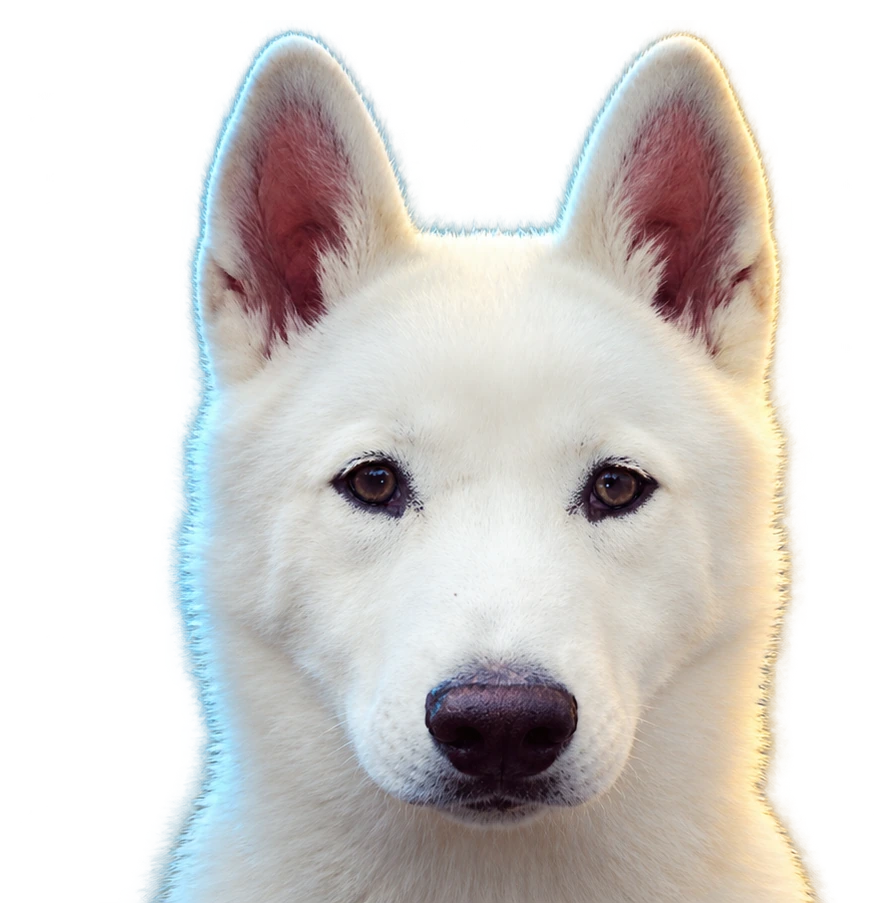
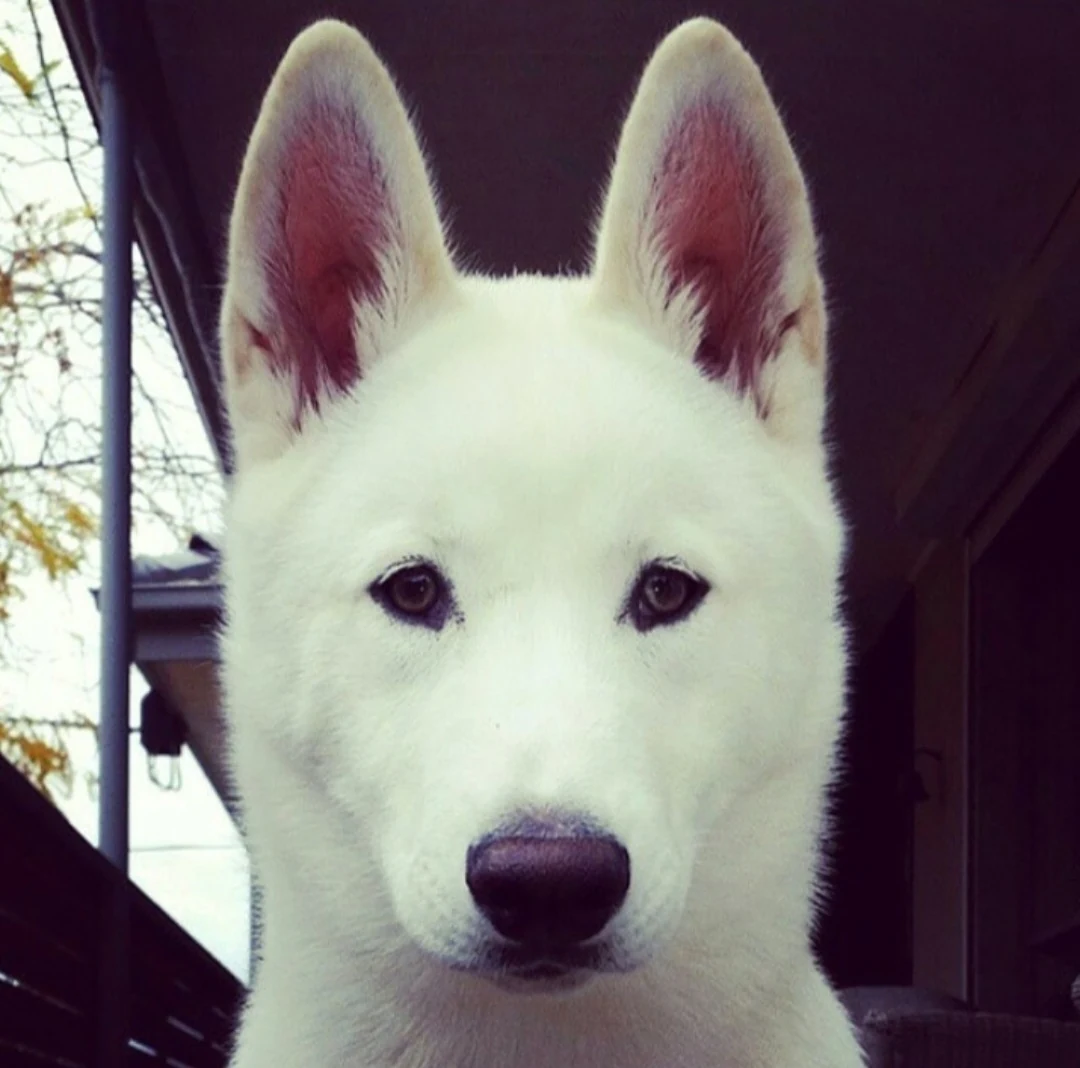
Enroofe grew from lived experience of losing confidence in a place that was meant to feel safe, while caring for Polar and trying to obtain clear, timely information about what was happening on public land.
Polar is not an authority badge. He is the reason the product insists on visibility, provenance and honest uncertainty. The visual metaphor is simple: a white dog moving out of darkness, with an aqua route lighting ahead and a restrained gold edge marking the human value behind the data.
Polarise uses the optical meaning: reduce glare so useful detail is easier to see. The live routing layer is still staged; this preview shows the information model without pretending to recommend or certify a route.
For community photos, the strongest public wording is deliberately narrow: “Captured through Enroofe Field Capture at an approximate location, with device location recorded at capture time and reviewed before publication.”
That is different from saying an image proves a chemical was used, proves why vegetation changed, or proves who was responsible. Those conclusions need their own evidence.
Field Capture is deliberately narrow: show the place, record visible detail, protect people’s privacy and send the set into private review. Public contribution stays gated until the operating controls are switched on.
Start with a wide live-camera frame so a reviewer can understand the public-land context. Avoid faces, plates, children and private property.
Add edge or detail frames that describe what is visibly present. Keep cause, product and responsibility separate unless another source supports them.
Enroofe checks location continuity and media integrity, keeps exact coordinates private, then sends the field set to moderation. Nothing auto-publishes.
A location-recorded field set uses two or three live-camera frames: context, edge, and detail. During a one-time challenge window Enroofe verifies the uploaded bytes against their hashes, checks device-location continuity, and keeps the exact location private for review.
Manager roles, official records, source dates, corrections and explicit unknowns belong in the underlying civic evidence layer. Enroofe translates that context for the walk without softening the provenance rules.
Field Capture needs precise location temporarily because location is part of the evidence question. Enroofe therefore separates private validation data from the public record: exact coordinates are encrypted, public coordinates are rounded, raw IP addresses are not stored, and community media stays private until review.
No web workflow can make that absolute claim. The beta can record a live camera capture, high-accuracy device location before and after capture, a one-time server challenge, image hashes and review. Public wording is “location-recorded capture”, not “location proven”. Native app attestation can make tampering harder but still forms part of a risk assessment, not absolute proof.
No. A photo can show visible vegetation condition, signage, dye, wet foliage, mowing or edge conditions. Attribution to a product, treatment event or responsible body requires separate evidence such as an official record or other corroboration.
No. Route context can help you make a more informed decision, but absence of a record is not evidence that no treatment occurred or that a location is safe for every person or animal.
It uses the optical meaning: reduce glare so useful detail is easier to see. Polarise Route is meant to reveal dated context and honest unknowns, not divide people, score councils or turn uncertainty into an accusation.
SEE MORE · CLAIM LESSPolar guides the experience. Sources carry the evidence. Unknown remains an honest answer until something better is available.